“Quiet campground” can mean several different things: a rule against mechanical noise, a walk away from the car, a smaller amount of programmed activity, or simply a good night someone once had. Those ideas should not be treated as interchangeable evidence.
Our recommendation is to choose the kind of quiet you want, then verify the rules and the exact site. This guide does not claim measured sound levels or promise solitude.
A quiet rule is useful evidence
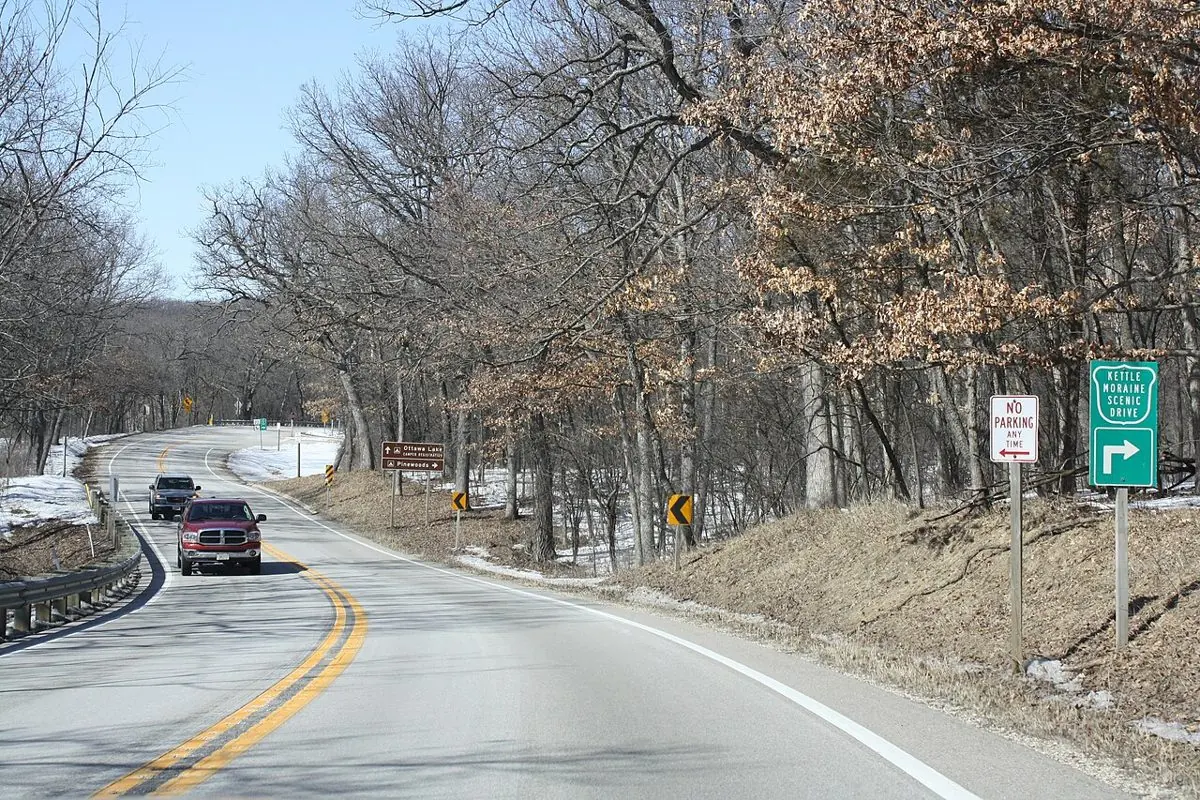
Pinewoods has a defined 24-hour quiet zone in Loop 1, which also excludes pets. That is a concrete distinction for a shortlist. It is still a shared campground, and a policy cannot establish every sound a visitor will hear.
A quiet-zone choice also asks something of your party. Discuss music, pets and the daily routine before reserving. A rule that is appealing in a search result may not fit the way a group likes to spend an evening.
Carry-in changes more than the atmosphere
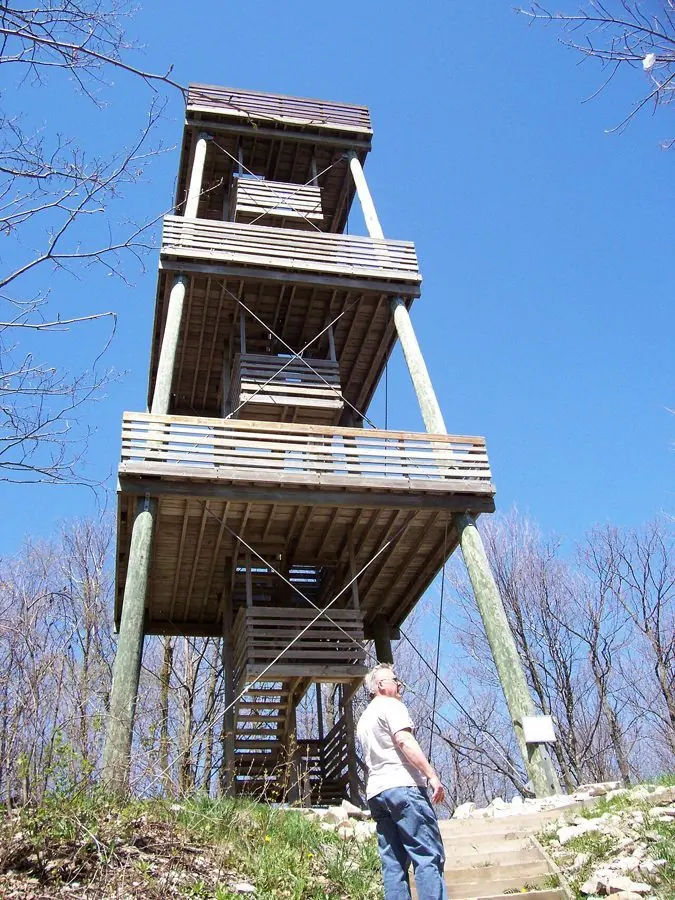
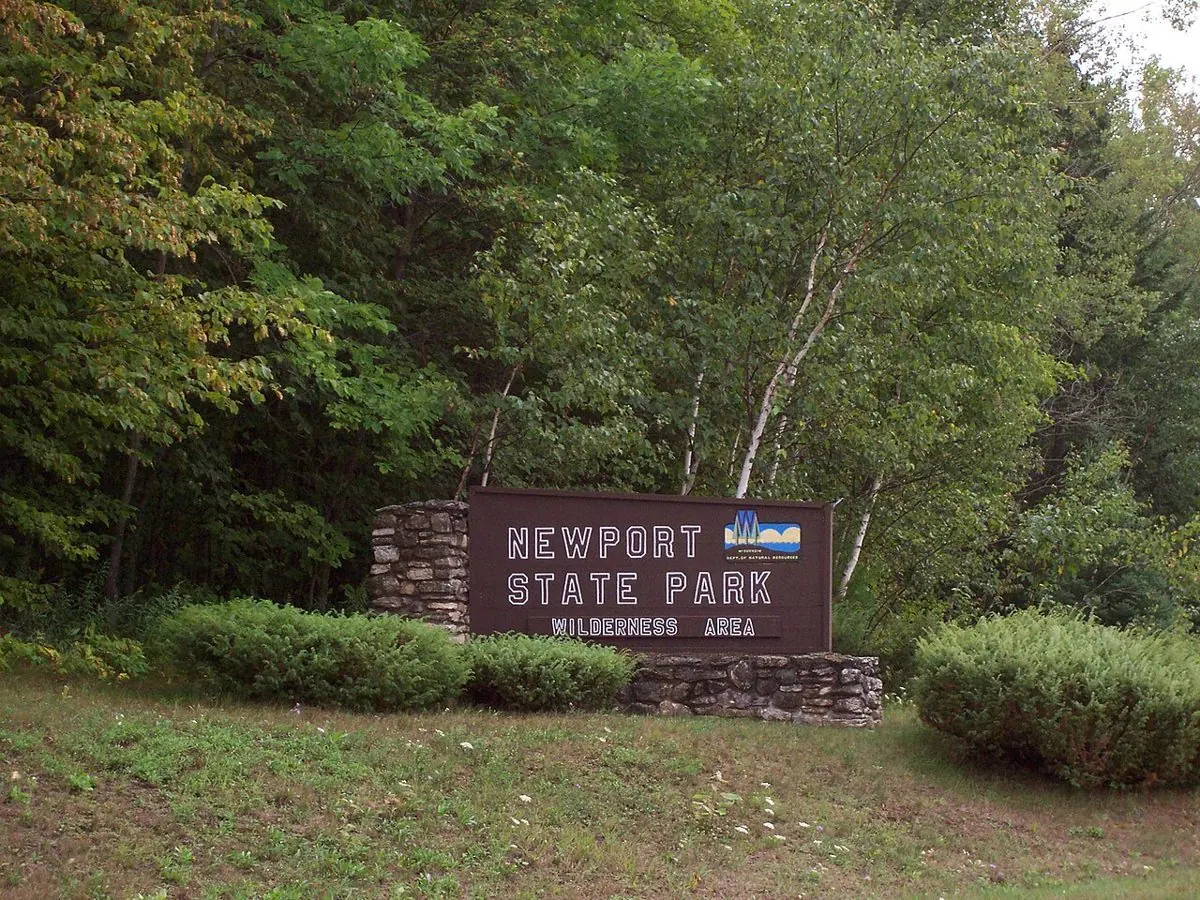
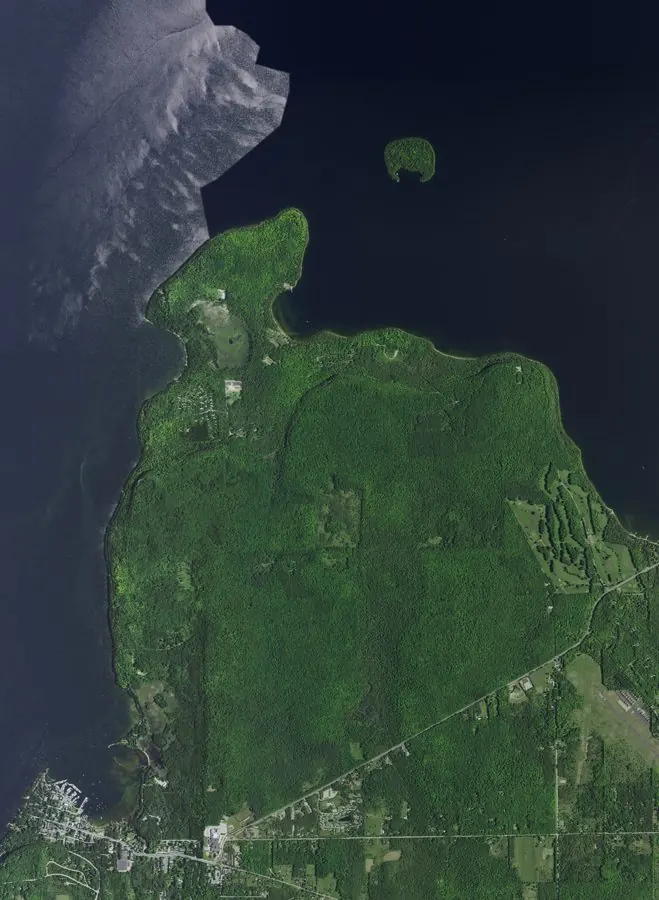
Newport requires moving every supply on foot or bicycle and has no showers. Choose it because the party wants that trip and can manage it. A hike-in site is not simply a car campsite with fewer neighbors.
Try carrying a realistic pack at home. Include the items you are likely to forget when imagining a minimalist setup: water containers, food storage, wet clothing and rubbish on the way out. If that exercise changes the plan, it has done its job.
Activities can simplify a family weekend
A place with a useful beach or play area can reduce the need to move the car again. Compare Peninsula’s Nicolet Bay area with Mauthe Lake through their official maps and current seasonal services. Neither should be described as constantly noisy simply because activities exist.
| What you want | Evidence to seek | What it cannot prove |
|---|---|---|
| A defined noise restriction | Written loop rules | Silence every night |
| Less dependence on the car | Carry-in access requirements | Easy transport of bulky gear |
| Simple family activities | Verified facilities and current conditions | Suitable weather or supervision |
| More privacy | Individual site photos and dimensions | A campground-wide guarantee |
A better booking conversation
Ask specific questions: Where is the pad relative to the road and bathroom? Is there a generator rule? What work is scheduled for the planned dates? Are services open? Record the response and its date, rather than turning one answer into an evergreen claim.
Then choose the option that suits the entire party. A good camping weekend does not need to imitate someone else’s version of getting away.
Sources and review
Desk research and editorial planning advice; no firsthand stay is claimed.
- Wisconsin DNR: Pinewoods Campground camping · Accessed 2026-10-27
- Wisconsin DNR: Newport State Park camping · Accessed 2026-10-27
- Wisconsin DNR: Peninsula State Park camping · Accessed 2026-10-27
- Wisconsin DNR: Mauthe Lake Campground camping · Accessed 2026-10-27
First published 2026-10-27 · Substantially modified 2026-10-27 · Facts reviewed 2026-10-27.